

When Neighborhoods Become Classrooms
In cities ranging from Detroit to Los Angeles, a quiet yet profound transformation is underway. Community support for educational outcomes has emerged as a pivotal force, proving just as influential as classroom instruction for students grappling with economic hardship. This shift highlights the increasingly intricate relationship between community involvement and student success.
Consider this: students engaged in structured mentorship programs are 52% less likely to skip school, according to national youth development studies. This statistic underlines a critical point—support for underserved students holds the potential to dramatically alter their educational trajectories. By fostering supportive environments outside traditional classrooms, communities can effectively bolster academic engagement and retention rates among at-risk youth.
Why This Topic Matters Now
Public schools situated in low-income neighborhoods often struggle with inadequate resources, larger class sizes, and limited access to advanced technology. The outcome? Students face significant barriers to academic success that can hinder their futures. Nonetheless, some of these schools are achieving remarkable results, not by merely relying on increased funding, but through grassroots community involvement.
- Local libraries offering free tutoring and homework help empower students to grasp challenging subjects while providing a safe space for study.
- Faith-based organizations often provide after-school meals and mentoring, ensuring students receive nourishment as well as guidance.
- Nonprofits focus on supplying laptops and internet access, addressing the crucial digital divide that affects many low-income families.
- Neighborhood volunteers frequently run college-prep workshops, giving students crucial insights into the processes of college applications and financial aid opportunities.
These community programs in education are essential, filling gaps that school budgets alone cannot bridge. The benefits extend far beyond academics, serving to foster social cohesion and a sense of belonging among students.
The Bigger Picture
The impact of community on education stretches well beyond mere test scores. It significantly shapes students’ confidence, their daily attendance, and their long-term aspirations. When students feel supported by their community, they are more likely to take pride in their education and stay engaged.
This article seeks to explore how educational equity through community partnerships is actively reshaping outcomes for vulnerable students across the United States. We will delve into specific programs making a real difference, examine innovative funding models, and highlight the measurable resources for underserved students that contribute to their academic and social success.
As we look into these community-driven initiatives, it becomes clear that a collaborative approach to education fosters resilience and paves the way for future generations, providing hope for a more equitable tomorrow. Through genuine community support, we can better equip our youth to surmount the challenges posed by their socioeconomic circumstances.
RECOMMENDED: Leveraging Technology: How Community Support Networks Can Enhance Online Learning Experiences
Grassroots Networks Rewriting the Rules of Achievement
Walk through neighborhoods in Baltimore, Chicago, or rural Appalachia, and you’ll find a pattern repeating itself: where formal institutions fall short, informal networks step up. Community support educational outcomes research increasingly points to this dynamic as a defining factor in student success, particularly in areas where poverty rates exceed 20 percent. This highlights a crucial gap in the traditional educational landscape, illustrating that community involvement plays a pivotal role in bridging that divide.
The data tells a compelling story. According to the U.S. Department of Education, students who participate in community-based enrichment programs show measurable gains in reading proficiency—sometimes as much as 15 percentage points higher than peers without such support. These gains are not just statistics; they represent vital progress for students at risk of falling behind. For instance, in urban settings where schools are often overcrowded and under-resourced, the difference in literacy skills can mean graduating on time versus struggling to complete high school.
What Makes Community Programs Different
Unlike standardized school interventions, community programs education initiatives tend to be hyper-local, responsive, and built on trust relationships that schools sometimes struggle to establish. A mentor who lives three blocks away understands challenges that a distant policymaker never will. This local insight leads to tailored programs that resonate with the students and families they serve, often resulting in higher engagement levels and improved outcomes.
Several successful models have emerged as particularly effective across American cities, showcasing innovation and resourcefulness in underserved communities:
- Community centers hosting weekend STEM workshops: These initiatives connect students with local professionals in engineering and technology fields, inspiring them to pursue careers they may not have previously considered. For example, after-school programs in Dallas have introduced robotics competitions that not only cultivate skills but also foster teamwork and problem-solving.
- Parent cooperatives: These provide support by organizing carpools and study groups, thereby reducing absenteeism linked to transportation barriers. In cities like Detroit, such cooperatives have allowed parents to take an active role in their children’s education while forging strong community bonds.
- Small business sponsorships: Local businesses are stepping up to fund school supplies, field trips, and academic incentive programs. This not only alleviates financial burdens on families but also fosters a rich connection between schools and their local economies. In Philadelphia, partnerships with local retailers have doubled the resources available for extracurricular activities.
- Alumni networks: Former students of underserved schools returning to share firsthand experiences navigating higher education can be powerful motivators for current students. Programs in Chicago have shown that alumni mentorship increases college enrollment rates significantly.
These efforts illustrate the impact of community on education in tangible, replicable ways. They don’t require massive budgets—just coordinated commitment and consistent follow-through. The grassroots nature of these networks can inspire a sense of ownership and empowerment in both children and their families, transforming how education is perceived and accessed.
The Trust Factor
Perhaps the most underreported element in this equation is trust. Families in underserved communities often approach institutional support with skepticism, shaped by generations of underfunded schools and broken promises. This is a societal issue that has persisted for decades, leading to a deep-rooted cynicism toward formal education systems.
Community-driven initiatives bypass this hesitancy. When a trusted neighbor or local pastor vouches for a program, participation rates climb. This social capital becomes a powerful, if invisible, driver behind support for underserved students nationwide. Successful programs leverage existing community ties, proving that relationships—not just resources—shape educational trajectories in lasting ways. For example, in New Orleans, community-led tutoring initiatives have seen a significant increase in students passing standardized tests, largely due to the groundwork laid by local trust.
As these grassroots networks continue to evolve and adapt, they present an intriguing model for education reform. Rather than viewing community support as supplementary, we must recognize its vital role in teaching and learning, especially in areas marked by economic hardship. As we look ahead, encouraging the expansion of such grassroots networks may well be the key to rewriting the future of achievement in American education.
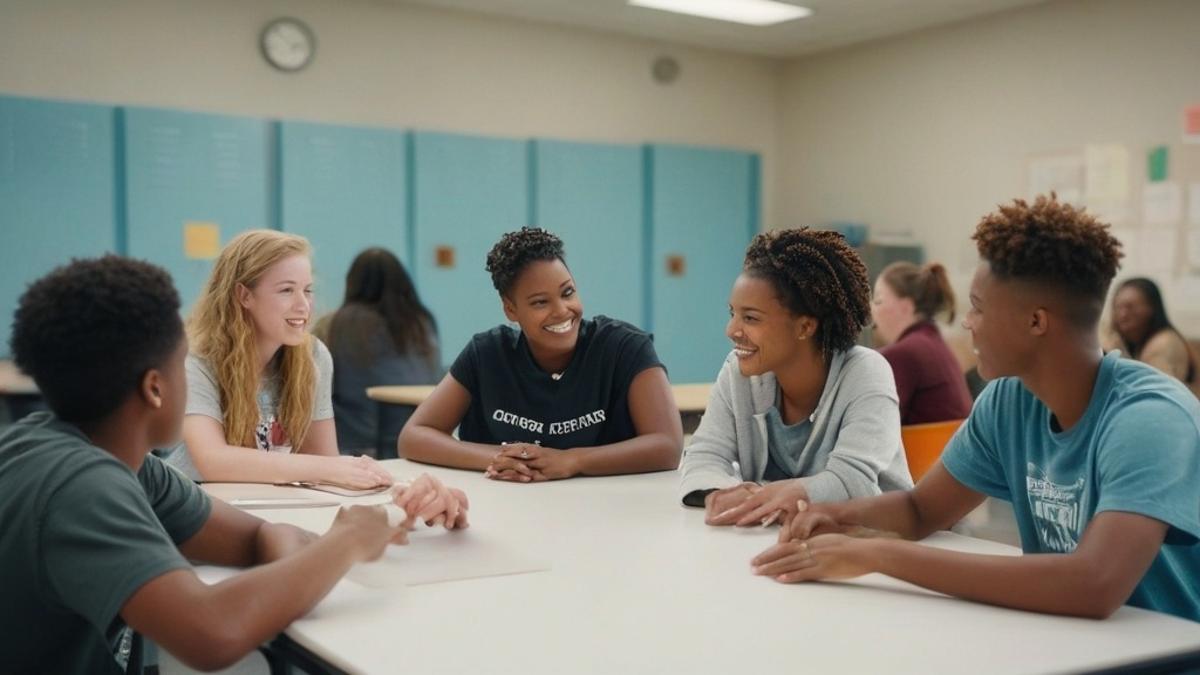
LEARN MORE: How to Organize a Study Group That Stays Productive
Measuring What Matters: Data, Dollars, and Long-Term Payoffs
Numbers rarely tell the whole story, but in this case, they offer a striking preview. A 2022 analysis from the Harvard Center on the Developing Child found that students engaged in sustained community mentorship saw graduation rates rise by nearly 20 percent compared to those without such support. This is not a marginal statistic—it represents thousands of students across the country who might otherwise have slipped through the cracks of an overburdened system.
The financial case is equally persuasive. Resources for underserved students delivered through community channels often cost a fraction of comparable school-based interventions. A tutoring session run by a retired teacher in a church basement in rural Mississippi costs little beyond volunteer coordination, yet it can produce academic gains comparable to expensive private tutoring services costing hundreds of dollars per hour.
Where the Investment Pays Off
Economists studying educational equity through community initiatives have begun quantifying returns in ways that resonate beyond the classroom. Consider these findings from recent research:
- Every dollar invested in community-based after-school programs yields an estimated $3 in long-term economic benefits, according to a Wallace Foundation study tracking outcomes into adulthood.
- Students in mentored programs are 55 percent more likely to enroll in college, based on data from Big Brothers Big Sisters chapters operating in underserved districts across Ohio and Texas.
- Reduced dropout rates in communities with active local support networks translate into fewer costs associated with unemployment services and social welfare programs down the line.
These figures suggest something policymakers have been slow to embrace: community support isn’t charity work operating on the margins of education policy. It’s a cost-effective, scalable strategy with measurable returns.
The Ripple Effect Beyond Test Scores
Academic metrics only capture part of the picture. Interviews with families in Atlanta’s underserved neighborhoods reveal something less quantifiable but equally significant—a shift in how children perceive their own potential.
When a student sees a neighbor who once struggled academically now attending community college, or watches a local firefighter volunteer as a reading buddy, the message lands differently than a poster in a school hallway. Representation, delivered through lived proximity, changes aspiration.
This dynamic feeds directly into the broader impact of community on education. Schools in Milwaukee have begun tracking “soft” indicators—attendance consistency, classroom participation, disciplinary referrals—alongside test scores, and the correlation with community program involvement is difficult to ignore. Students connected to local support networks show fewer behavioral incidents and greater willingness to seek help when struggling.
Still, gaps remain in how these programs are funded and sustained. Many rely heavily on volunteer labor and unpredictable grant cycles, leaving their future uncertain even as their results speak for themselves. Understanding this fragility is essential for anyone hoping to see these grassroots successes scale into lasting institutional change.
What Comes Next: Turning Local Momentum Into Lasting Change
The evidence assembled here points to a conclusion that deserves more attention than it currently receives: community support educational outcomes are not separate conversations but two sides of the same coin. Mentorship, tutoring circles, and neighborhood advocacy are not supplements to formal schooling—they are foundational to it.
What makes this story compelling is not just the graduation rates or the dollar-for-dollar returns. It’s the pattern across cities as different as Milwaukee, Atlanta, and rural towns in Mississippi. Wherever community programs education initiatives take root, similar results emerge: stronger attendance, fewer disciplinary issues, and students who begin to see futures they hadn’t previously imagined.
Yet the fragility of funding remains a serious concern. Programs built on volunteer hours and short-term grants cannot indefinitely carry the weight that public policy has failed to address. If support for underserved students is to move from grassroots effort to structural norm, school districts and local governments need to treat these programs as essential infrastructure, not optional extras.
There’s also a broader lesson here about how change actually happens. Large-scale reform often starts small, in church basements and community centers, long before it reaches legislative floors. Recognizing this trajectory matters for anyone invested in educational equity through community initiatives.
The path forward likely involves hybrid models: school systems formally partnering with local organizations, sharing data, and co-funding programs that have already proven their worth. For families and educators watching these trends closely, the next few years may reveal whether this grassroots momentum becomes the backbone of a more equitable education system—or remains, once again, an underfunded afterthought.
Frequently Asked Questions
How does community support influence academic performance in underserved schools?
Community support provides additional resources, mentorship, and encouragement, which can boost motivation and academic performance. Programs such as tutoring, after-school activities, and mentorship initiatives create a more enriching educational environment, helping students excel in their studies.
What types of community support are most effective for improving educational outcomes?
Effective types of community support include partnerships with local businesses for internships, volunteer programs for tutoring, and funding for extracurricular activities. These initiatives help build a stronger support network to enhance student engagement and learning experiences, ultimately leading to better educational outcomes.
Can community support help address social and emotional challenges faced by underserved students?
Yes, community support plays a critical role in addressing the social and emotional challenges of underserved students. Resources like counseling services, peer support groups, and community-driven engagement activities can foster a sense of belonging and improve mental health, which is essential for academic success.
What role do parents and local organizations play in community support for education?
Parents and local organizations are pivotal in community support, as they can create initiatives that respond directly to students’ needs. Their involvement not only ensures that children receive holistic support, but it also strengthens the community ties and enhances the overall educational environment.