

Rethinking How Students Learn in the Digital Age
American classrooms are undergoing a quiet revolution. Gone are the days when every student followed the same textbook at the same pace. Personalized learning technology is reshaping education, offering tailored pathways that align with each learner’s unique pace, strengths, and interests. This transformation is not just a trend but a significant shift towards enhancing educational outcomes through technology.
From rural school districts in Kansas to urban charter schools in New York City, educators are turning to digital learning resources to close achievement gaps that have long persisted in traditional educational models. Recent data from the U.S. Department of Education shows that when implemented effectively, adaptive technology can boost student proficiency by up to 30 percent. This impressive statistic highlights the significant potential of technology to enhance learning experiences.
What’s Driving This Shift?
Several factors are accelerating the adoption of technology in education:
- Growing demand for flexible, student-centered instruction, catering to individual learning styles and speeds.
- Widespread access to affordable devices and broadband, especially following the pandemic, which has made digital connectivity more essential than ever.
- Adaptive learning tools powered by artificial intelligence, which personalize the curriculum by analyzing a student’s performance in real time and adjusting the content’s difficulty instantly.
- Post-pandemic shifts toward hybrid and remote learning models, which have forced educators to explore innovative teaching methods that accommodate diverse learning environments.
These tools don’t just digitize lessons—they revolutionize them by creating immersive educational experiences that foster deeper understanding and retention of knowledge.
Why This Guide Matters
Understanding the benefits of personalized learning requires more than theory. This guide explores practical online learning platforms, real classroom applications, and strategies that parents and educators can implement today to enhance learning outcomes. For instance, platforms like Khan Academy and Google Classroom provide educators with resources to tailor lessons effectively based on student needs.
Whether you’re a teacher searching for the right software to engage your students or a parent curious about your child’s digital curriculum, the following sections will break down exactly what works—and why it matters now more than ever. Embracing personalized learning in the digital age can provide students with meaningful, customized educational experiences that prepare them for the complexities of the modern world.
LEARN MORE: Exploring the Benefits of Multilingual Learning Resources in Diverse Classrooms
Inside the Toolbox: Core Digital Learning Resources Transforming Classrooms
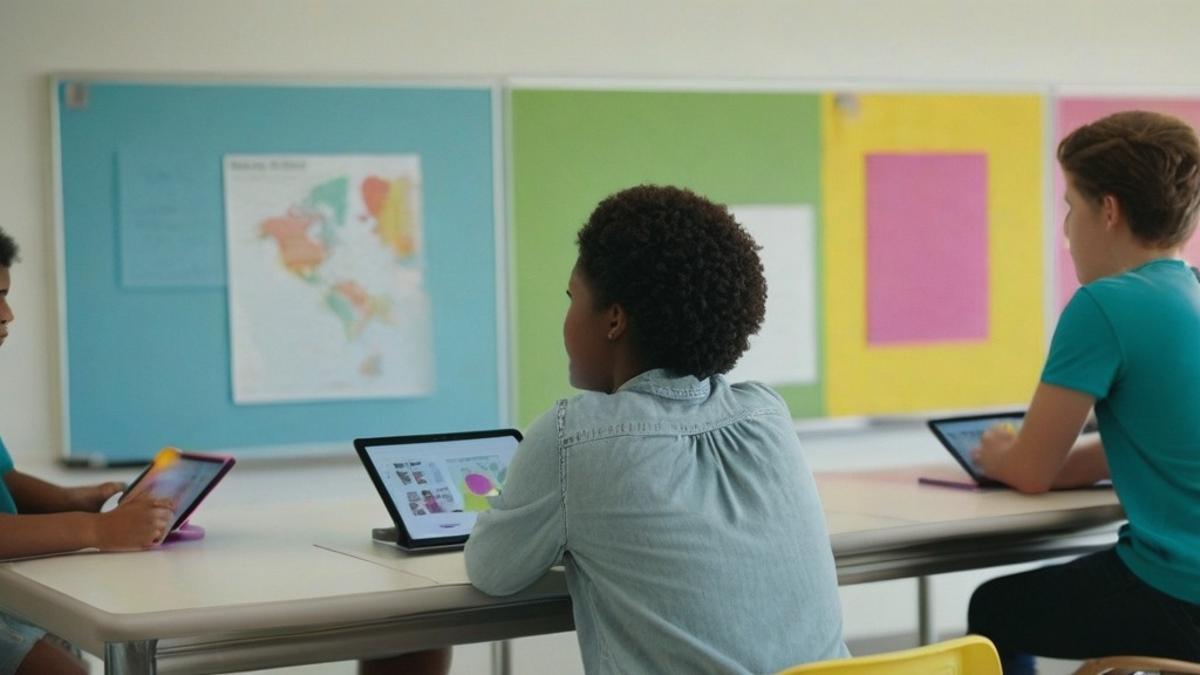
Walk into any forward-thinking school district today, and you’ll notice something different. Students aren’t just staring at chalkboards—they’re navigating tablets, laptops, and interactive dashboards that respond to their individual progress. This shift represents the practical side of personalized learning technology, and understanding its core components helps explain why so many districts are investing heavily in it.
Adaptive Learning Platforms Leading the Charge
At the heart of this movement are adaptive learning tools that use algorithms to assess student responses and adjust content accordingly. If a seventh grader in Ohio struggles with fractions, the software recognizes the pattern and offers additional practice before moving forward. If a student in California breezes through algebra, the system accelerates to more challenging material.
This isn’t science fiction—it’s happening right now through platforms that have become household names in education circles:
- Khan Academy, which offers free, self-paced instruction across math, science, and humanities with real-time progress tracking.
- DreamBox Learning, widely used in elementary schools to build math fluency through adaptive gameplay.
- i-Ready, deployed by thousands of districts to diagnose reading and math gaps, then prescribe targeted lessons.
- Google Classroom, which streamlines assignment distribution while giving teachers visibility into individual student engagement.
According to research from the RAND Corporation, schools implementing these online learning platforms consistently report measurable gains in student engagement, particularly among learners who previously felt disconnected from traditional instruction methods.
Data-Driven Instruction Changes the Equation
What makes modern technology in education genuinely different from earlier computer-based learning attempts is the sophistication of data analysis. Teachers now receive granular insights—not just whether a student got an answer right, but how long they spent thinking, which concepts they revisited, and where confusion typically sets in.
This level of detail allows educators to intervene earlier. Instead of discovering a learning gap during a midterm exam, teachers can spot warning signs within days, sometimes hours, of a concept being introduced.
The result is a classroom dynamic where instruction becomes proactive rather than reactive—a fundamental piece of the puzzle when discussing the true benefits of personalized learning for students across every grade level and learning style.
RECOMMENDED: The Impact of Open Educational Resources on Student Engagement
Beyond the Basics: Specialized Tools and the Real-World Impact on Learning Outcomes
While adaptive platforms dominate headlines, the broader ecosystem of digital learning resources extends far beyond math and reading drills. Districts from Texas to Vermont are now weaving together specialized tools that address gaps traditional classrooms simply couldn’t fill.
Filling Niche Learning Needs
Consider students with dyslexia or processing disorders. Tools like Learning Ally and Read&Write convert text into audio, adjust font spacing, and provide real-time word prediction—accommodations that would have required expensive one-on-one aides just a decade ago.
English language learners benefit similarly. Platforms such as Duolingo for Schools and Newsela, which adjusts reading complexity across twelve grade levels for the same article, allow multilingual students to engage with grade-appropriate content without feeling excluded from classroom discussions.
Gifted and advanced learners aren’t left out either. Adaptive learning tools like ALEKS push accelerated students into college-level material long before they’d typically encounter it in a standard curriculum sequence.
What the Numbers Actually Show
Skepticism about educational technology is healthy, and the data deserves scrutiny. A 2023 study published by the Bill & Melinda Gates Foundation tracked over 8,000 students using adaptive math software across multiple states. Results showed a 12% improvement in standardized test scores among students who used the platforms consistently for at least three months.
However, the same study flagged an important caveat: gains were significantly smaller in classrooms where teachers received minimal training on interpreting the software’s analytics. This suggests that technology in education only works when paired with informed human oversight—the tools amplify good teaching rather than replace it.
Practical Steps for Parents and Educators
For families exploring these online learning platforms at home, a few strategies consistently produce better results:
- Start with a diagnostic assessment rather than jumping straight into practice modules, ensuring the platform targets actual skill gaps.
- Set consistent weekly usage goals—research suggests 60 to 90 minutes per week yields measurable progress without causing screen fatigue.
- Review progress dashboards together with the student monthly, turning data into conversation rather than surveillance.
- Pair digital practice with offline reinforcement, such as discussing a Newsela article at the dinner table.
These small, consistent habits often determine whether the benefits of personalized learning translate into lasting academic growth or simply become another underused app on a school-issued device.
The Road Ahead for Personalized Learning Technology
The evidence is clear: personalized learning technology isn’t a passing trend—it’s a fundamental shift in how American classrooms operate. From dyslexia-friendly audio tools to adaptive math platforms pushing gifted students toward college-level coursework, the range of available digital learning resources now touches nearly every learner profile imaginable.
Yet the numbers tell a nuanced story. A 12% score improvement sounds impressive until you notice it depends heavily on teacher training. This is the uncomfortable truth many ed-tech marketing campaigns skip over: software alone doesn’t close achievement gaps. People do, with better information at their fingertips.
What Parents and Districts Should Watch Next
Looking forward, expect online learning platforms to lean further into AI-driven diagnostics, offering real-time recommendations rather than static progress reports. School districts in states like Ohio and Arizona are already piloting predictive dashboards that flag struggling students before quarterly grades even reveal a problem.
For families, the takeaway is practical rather than theoretical. Choose tools aligned with a specific, identified need. Track usage with intention. Talk about the data instead of ignoring it.
The benefits of personalized learning won’t materialize simply by installing an app or purchasing a subscription. They emerge when adaptive learning tools are paired with attentive adults who treat technology as a partner, not a substitute, in the learning process.
As classrooms continue integrating technology in education, the families and educators who ask sharper questions—not just adopt more tools—will likely see the most meaningful, lasting results.
Frequently Asked Questions
What types of personalized learning technology are available for K-12 education?
There are several types of personalized learning technology available for K-12 education, including adaptive learning software, learning management systems, and digital assessment tools. These technologies enable teachers to tailor instructional materials and experiences to individual student needs, learning styles, and paces.
How can teachers effectively implement personalized learning technology in their classrooms?
Teachers can effectively implement personalized learning technology by first identifying the specific needs and goals of their students. They should choose suitable tools that align with their curriculum, provide training on how to use these technologies, and continuously gather feedback to adjust their strategies for optimal student engagement and learning outcomes.
What role does data analytics play in personalized learning technology?
Data analytics plays a crucial role in personalized learning technology by allowing educators to track student performance and engagement in real time. This information can help teachers identify learning gaps, tailor instruction, and provide targeted interventions to improve student outcomes, leading to a more customized learning experience.
Are there specific digital resources that support personalized learning for adult learners?
Yes, there are numerous digital resources designed specifically for adult learners, such as online courses, virtual classrooms, and skill assessment tools. Platforms like Coursera, edX, and LinkedIn Learning offer personalized learning options that allow adults to learn at their own pace, thereby accommodating their unique needs and schedules.
What challenges do schools face when integrating personalized learning technology?
Schools often face challenges like budget constraints, lack of teacher training, and resistance to change when integrating personalized learning technology. Additionally, ensuring equitable access to these technologies for all students can be a significant hurdle, particularly in under-resourced areas.
How can parents support their children’s personalized learning with technology at home?
Parents can support their children’s personalized learning by becoming familiar with the digital tools and resources their children are using at school. They can encourage regular use of these resources at home, set up a dedicated learning environment, and actively participate by discussing what their children are learning and offering assistance when needed.